by Charlotte D. Minor

Jeepney is the most popular mode of transportation in the Philippines. It borrows from the words jeep and knee (in which knee means literally knee-to-knee with his seatmate).
At the end of World War II, American troops left Manila and various military paraphernalia were sold or given to Filipinos. Among the most popular items on the list was the military jeep. The Americans left hundreds of them and gave rise to a major Filipino invention. The original military jeep was stretched at the back to accommodate more passengers, and the topless design was refurbished to include a roof.

Pedrista Festival
The celebration of the Grand Pedrista Festival runs from January 27 to February 8. Quezon City pays its respect to San Pedro Bautista who lived, stayed and prayed in the church formerly known as San Pedro Bautista Parish. He was elected Custos, Superior of all the Franciscans in the Philippines. He saw the need for missionaries to have a place where they could rest and meditate while on a mission then, so he built a convent and a chapel out of bamboo and nipa.
You may view the documentation of 2019’s Pedrista Festival here.

Iglesia ni Cristo: Central Temple
The Central Temple of the Iglesia ni Cristo (INC) found in Diliman stands like an intricately designed landmark inspired by Gothic style and embellished with Baroque richness. It was famously known for its uniquely majestic structure. This was constructed on July 27, 1984 and was since then considered as the main temple of the Philippine-based Christian sect and is recognized as the largest place of worship in the country as proven by the structure’s 7,000 people capacity. The sanctuary also has a large baptistery pool designed with a capacity for the simultaneous baptism of up to 600 individuals.
Catholic: Santo Domingo Church
Santo Domingo Church is the home of the patroness of Quezon City. It is also known as the National Shrine of Our Lady of the Holy Rosary of La Naval de Manila. It is considered as the largest church in Metro Manila and one of the biggest in the entire Asia.
The church is a massive complex that includes the mother house of the Filipino Dominicans, which is the center of Dominican activities in the country and the residence of the Filipino Dominicans who have been sent to other portions of the world. It was inaugurated on October 12, 1954.

“Initiative for the promotion, marketing and linkages of producers and service providers with different stakeholders within and outside QC”
The Small Business Development and Promotion Office (formerly Sikap Buhay Entrepreneurship and Cooperative Office or SBECO) implements the City government’s entrepreneurship and micro-finance program. It was established in 2002 and through time it has developed from only providing access to micro-credit it has grown to provide livelihood skills training , entrepreneurial skills seminars and workshops and business. Also, it provides a marketing platform for start-ups and assistance for the City’s micro entrepreneurs in accessing entry to international and local trade fairs.
Commitment Statement
We share the city’s vision of a local economy that is diverse, strong and vibrant that ensures prosperity and sustainable growth for all.
Our Team will contribute to this vision by strengthening and ensuring the sustainable growth of MSMEs and Cooperatives in Quezon City. We will achieve this by facilitating livelihood skills training developing business & entrepreneurial capabilities and providing development services, including access to financing to facilitate their economic activities.
We commit to deliver quality services to our clients in cooperation with various partners both local and national in the spirit of respect, honesty and accountability.
from: Quezon City Small Business Development and Promotions Office
1.Skills training for tambays
The Quezon City created a program that would help their citizens such as the loiterers and tambays to become more productive through skills training programs. Its goal is to encourage the tambays to start anew and to change their ways and see their worth instead of being treated as potential criminals.
The city has partnered withTechnical Education and Skills Development Authority (TESDA), the Special Training for Employment Program (STEP) that could help to address the poverty, out-of-school youths, unemployed, solo parents, high school dropouts and city’s disadvantage communities. Also, they partnered with Ateneo de Manila University (ADMU), Division of City Schools, and TESDA in the Quezon City Community College (QCCC) program.
2. Free livelihood, skills trainings
In order to alleviate the poverty in the city, the Quezon City local government provides free livelihood, skills training and education training for its citizens and general public. It was actually featured in Bandila at some point, which you can watch here.
Quezon City as a “housing capital”
Homes were made in the manner of a Filipino-Malay-Spanish style of architecture, Arellano’s aesthetic married a traditional motif with modern and functional lines. Homes on the various projects sites made use of the architect’s style and took the form of bungalows with asbestos roofing.
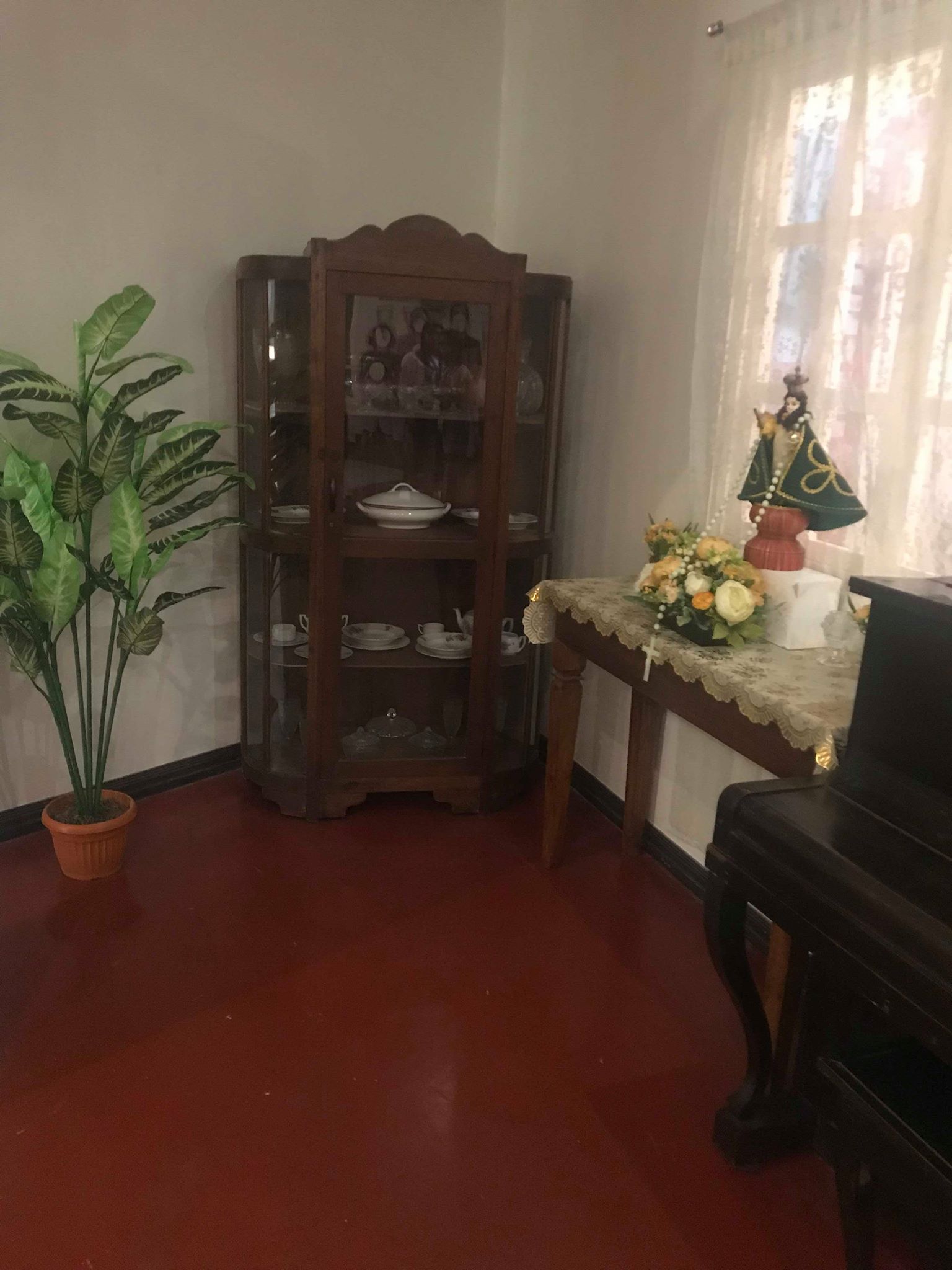

One of President Quezon’s main concern was to ensure that the city’s residents had proper housing. His social justice program was very important to him and he aimed to improve the conditions of the “common tao”. He sought to answer this needs with low-cost residential developments, resulting in several project-housing communities. The total land available to the government for these projects was 164 hectares.
 Quezon City History and Culture